
🔬 ScienceGrades 9 – 12 8 min read
Facts last verified Jul 5, 2026· re-verification due — Checked 143 days ago — due for re-verification.
Hubble's Latest Image: A Cosmic Sparkler of Stellar Colors
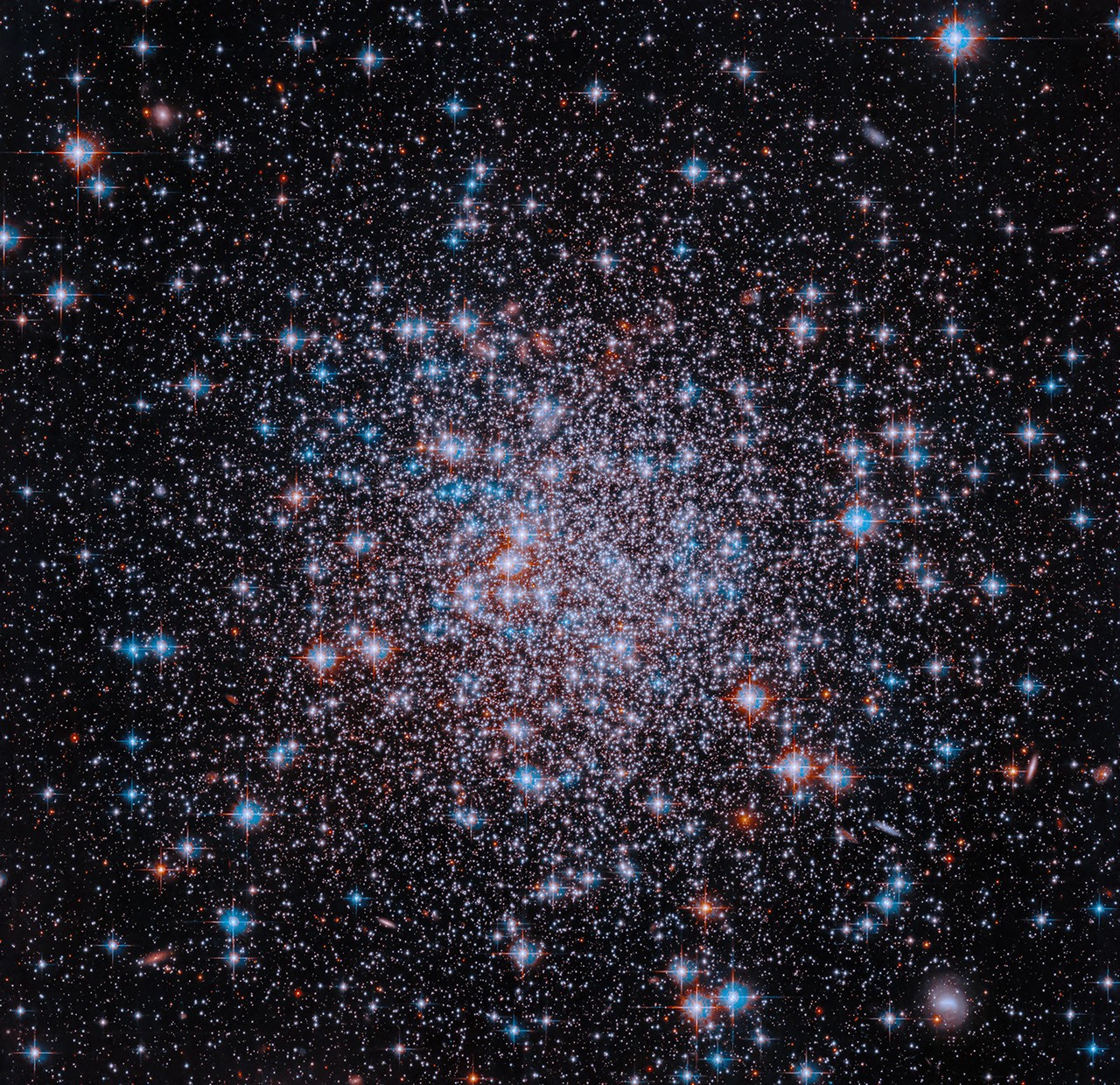
The NASA/ESA Hubble Space Telescope has unveiled a captivating new image showcasing a vibrant cluster of red, white, and blue stars, visually likened to the dazzling effect of a sparkler.
The NASA/ESA Hubble Space Telescope, a cornerstone of astrophysics and astronomical observation, has once again provided humanity with a breathtaking view of the cosmos. Its latest release is an evocative image featuring a dense cluster of stars, painted in brilliant shades of red, white, and blue, that collectively resemble a 'stellar sparkler' being moved through the unyielding darkness of space. This visual analogy not only highlights the image's stunning aesthetic appeal but also subtly suggests the dynamic energy contained within such stellar nurseries.
Hubble, in orbit since 1990, has revolutionized our comprehension of the universe by providing unparalleled clarity and depth in its observations, unhindered by atmospheric interference. This recent image is more than just a pretty picture; it's a valuable dataset for astronomers studying stellar populations and galactic evolution. The distinctive color palette of the stars within the cluster is directly indicative of fundamental stellar properties. For instance, the bluest stars are typically the hottest and youngest, often massive giants or supergiants burning through their fuel at an extraordinary rate. Conversely, red stars are usually cooler, encompassing everything from red dwarfs with incredibly long lifespans to red giants and supergiants in the later stages of their existence. White and yellowish stars, like our Sun, represent a median range of temperature and age.
Studying these diverse stellar populations within a single cluster allows astronomers to trace the history and future of star formation. Such clusters are often birthplaces of stars, and observing them helps scientists understand the mechanisms of star birth, the influence of gravity on stellar distribution, and the eventual dispersal or dissolution of these stellar groupings. Furthermore, the light from these distant stars carries information about the chemical composition of interstellar gas and dust from which they formed, offering clues about the chemical enrichment of the universe over cosmic time.
The 'stellar sparkler' image from Hubble serves as a powerful reminder of the universe's ongoing vitality and the intricate processes that shape it. It underscores the telescope's enduring legacy in not just discovering new phenomena but also in inspiring awe and fostering a deeper appreciation for the complex beauty woven into the fabric of space. As missions like Hubble continue to capture such detailed views, our understanding of the cosmic dance of stars and galaxies continues to expand, pushing the boundaries of human knowledge.
Source: NASA · view original
📚 Create a free account to track your child's reading.