
🌍 WorldGrades 9 – 12 8 min read
Facts last verified Aug 20, 2026· re-verification due — Checked 97 days ago — due for re-verification.
California Enacts Nation's Toughest Wildfire Landscaping Mandates
California has implemented the country's most rigorous regulations, obliging homeowners to proactively manage the vegetation surrounding their properties to fortify defenses against catastrophic wildfires, a move that has sparked considerable public debate.
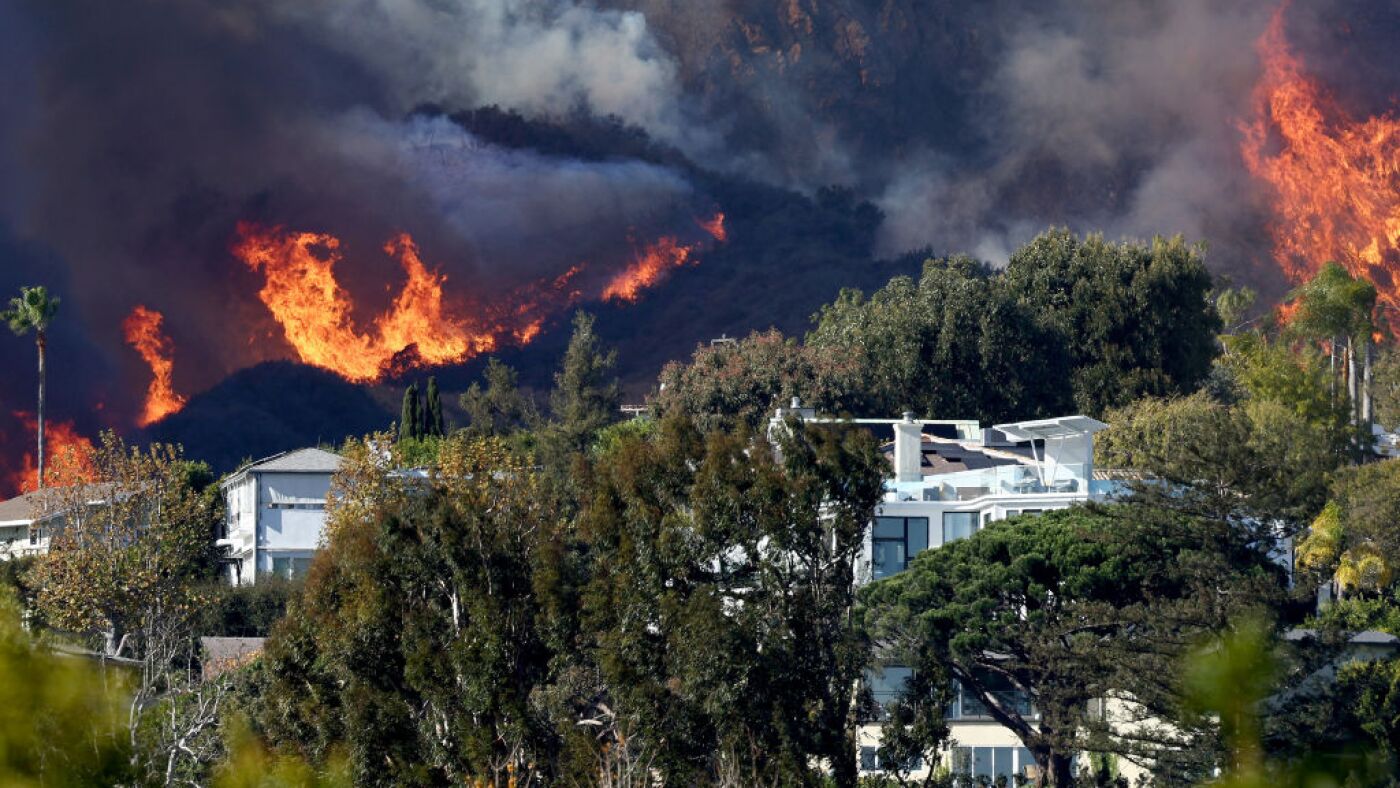
California, a state perennially grappling with the escalating threat of wildfires, has introduced the most stringent home landscaping regulations nationwide. These new mandates require property owners to undertake specific vegetation management practices immediately adjacent to their residences, creating an essential 'defensible space' to mitigate fire risk.
The core of these regulations centers on the concept of hardening homes against wildfire ignition. This involves not only clearing highly combustible materials like dry brush and specific plant species but also maintaining precise distances between structures and vegetation, as well as managing tree canopies. Fire ecologists and structural protection experts consistently advocate for these strategies, noting that a significant percentage of homes destroyed in wildfires are lost due to embers igniting nearby flammable landscaping, not direct flame contact from the main fire front. By proactively reducing fuel loads in the 'Zone Zero' area—the five feet directly adjacent to a home—the state aims to drastically improve a structure's survivability.
Historically, wildfire management has focused on forest thinning and large-scale prevention, but these new rules shift a significant portion of responsibility to individual property owners. This comprehensive approach recognizes that the wildland-urban interface (WUI), where human development meets undeveloped wildland, is particularly vulnerable. The state's decision reflects a growing consensus that a multi-faceted strategy, integrating both landscape-level and parcel-level interventions, is crucial for effective wildfire resilience.
While the scientific community and fire safety professionals largely support these heightened standards, the implementation has not been without controversy. Public pushback has been notable, with some homeowners expressing concerns about property rights, the financial burden of compliance, and the perceived aesthetic impact on their gardens. Critics argue that the regulations are overly prescriptive or that adequate resources for compliance assistance are not uniformly available. However, proponents argue that these individual actions are collective imperatives given the increasing destructiveness of wildfires, often exacerbated by climate change and prolonged droughts.
California's proactive stance is indicative of a broader trend among Western states confronting increased wildfire activity. By establishing these benchmark regulations, California aims to not only protect its communities but also set a precedent for effective wildfire adaptation strategies, demonstrating a commitment to safeguarding both lives and property amidst changing environmental conditions. The success of these measures will largely depend on sustained public education, enforcement, and community engagement.
Source: NPR · view original
📚 Create a free account to track your child's reading.