
🌍 WorldGrades 9 – 12 8 min read
Facts last verified Aug 7, 2026· re-verification due — Checked 110 days ago — due for re-verification.
Europe Battling Simultaneous Wildfire Crisis and Severe Drought Conditions
Europe is currently experiencing a complex environmental crisis marked by extensive wildfires leading to property destruction and forced evacuations, exacerbated by a severe and prolonged drought that has depleted critical water sources across the continent.
Across the European continent, a pressing environmental crisis is unfolding this summer, characterized by the simultaneous impact of widespread wildfires and severe drought conditions. These phenomena are not isolated but rather interconnected, intensifying their collective effects on communities, infrastructure, and ecosystems. Numerous nations have reported substantial wildfire outbreaks, with blazes frequently fanned by high temperatures and strong winds. Firefighting agencies, often supported by international aid, are engaged in arduous operations to contain these fires, many of which have proven exceptionally challenging due to the arid landscape.
The human toll of these wildfires is significant, with hundreds of homes and properties destroyed, forcing mass evacuations and displacing thousands of residents. The psychological and economic repercussions for affected communities are profound, extending beyond immediate property loss to include long-term recovery challenges. These events underscore the vulnerability of human settlements, particularly those adjacent to wildland areas, to increasingly severe fire seasons.
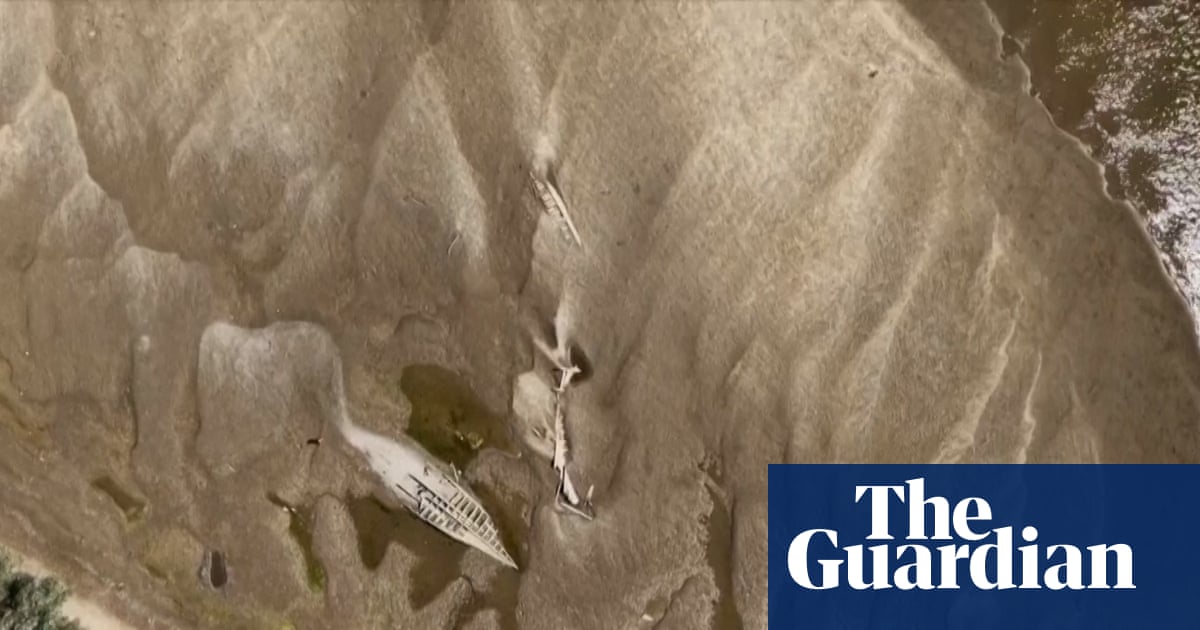
Concurrently, Europe is enduring an exacerbated drought, a condition defined by a prolonged period of abnormally low rainfall, resulting in insufficient water supply for various needs. This drought has led to critically diminished water levels in major rivers and reservoirs, which are indispensable for public consumption, agricultural irrigation, industrial processes, and hydroelectric power generation. The reduced flow in key waterways is disrupting shipping, impacting agricultural yields, and threatening aquatic biodiversity, demonstrating a cascading effect throughout regional economies and environments.
From a scientific perspective, the convergence of these crises is often linked to shifts in climatic patterns. Prolonged periods of elevated temperatures and reduced precipitation create exceptionally dry vegetation, serving as prime fuel for wildfires. This susceptibility is further compounded by localized factors such as land management practices and the presence of highly flammable invasive species. While individual fire ignitions may have diverse causes, the broad-scale conditions for rapid spread are undeniably heightened by persistent aridity.
The current situation necessitates a multi-faceted response. Immediate efforts focus on emergency response, including fire suppression, humanitarian aid for evacuees, and short-term water management strategies. However, the recurring nature and increasing intensity of these events highlight the imperative for long-term adaptation and mitigation strategies. This includes enhanced forest management, the implementation of sustainable water resource policies, early warning systems for both fires and drought, and investment in climate-resilient infrastructure. Addressing these challenges requires coordinated action across national borders and a comprehensive understanding of evolving environmental dynamics, reflecting a broader global pattern of climate-related extreme weather events.
Source: Guardian Europe · view original
📚 Create a free account to track your child's reading.