
🌍 WorldGrades 9 – 12 8 min read
Facts last verified Aug 3, 2026· re-verification due — Checked 113 days ago — due for re-verification.
Mass Movement into Spanish Ceuta Reflects Deep-Seated Hopes for Moroccans
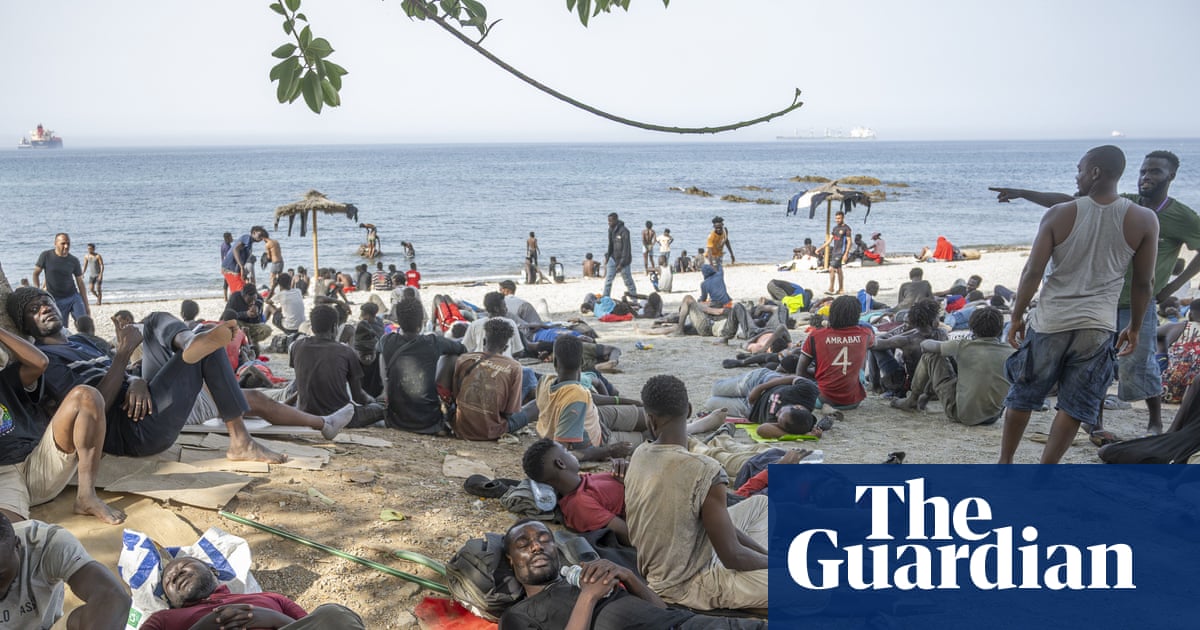
Over 50,000 Moroccan individuals have recently traversed into Ceuta, a Spanish enclave, with many, like Youssef El Abbas, seeing this as a critical opportunity to reconstruct lives previously impacted by economic precarity and displacement.
In a significant development this week, more than 50,000 individuals from Morocco have entered Ceuta, an autonomous Spanish city strategically situated on the North African coastline. Ceuta's unique geographical position, approximately 12 miles across the Strait of Gibraltar from mainland Spain, renders it a key point of interface between the African and European continents, influencing its demographic and economic dynamics. The substantial movement into the enclave, with many undertaking a demanding swim across maritime borders, underscores the profound motivations driving these individuals. Among those who arrived is Youssef El Abbas, a 44-year-old Moroccan father of four. His story encapsulates the aspirations and challenges faced by many. Youssef viewed this moment as a crucial chance to reclaim a life trajectory that was disrupted seven years prior. He had previously resided in Spain, but his residency expired after he lost his job in Bilbao in 2019, leading to his deportation back to Morocco. For individuals like Youssef, the reports of large-scale entry into Ceuta signal a perceived window of opportunity to re-establish a stable life and secure future, a testament to the persistent human drive for economic well-being and security. The motivations behind such large-scale movements are multifaceted, often rooted in a combination of economic hardship, lack of local opportunities, and the desire for improved living standards. From the perspective of those crossing, such as Youssef, the decision is not made lightly but rather emerges from a calculated assessment of risk versus potential reward. This influx into Ceuta brings into sharp focus broader global narratives surrounding migration, border governance, and the humanitarian dimensions of human movement. It highlights the complex interplay between national sovereignty, international law, and the fundamental rights and aspirations of individuals seeking a dignified existence. The long-term implications for both Ceuta and the individuals involved will continue to evolve, reflecting the ongoing global dialogue about migration pathways and integration challenges.
Source: The Guardian · view original
📚 Create a free account to track your child's reading.