
⚽ SportsGrades 9 – 12 8 min read
Facts last verified Aug 6, 2026· re-verification due — Checked 111 days ago — due for re-verification.
Infantino Retains FIFA Presidency Despite Investment Plan Controversy
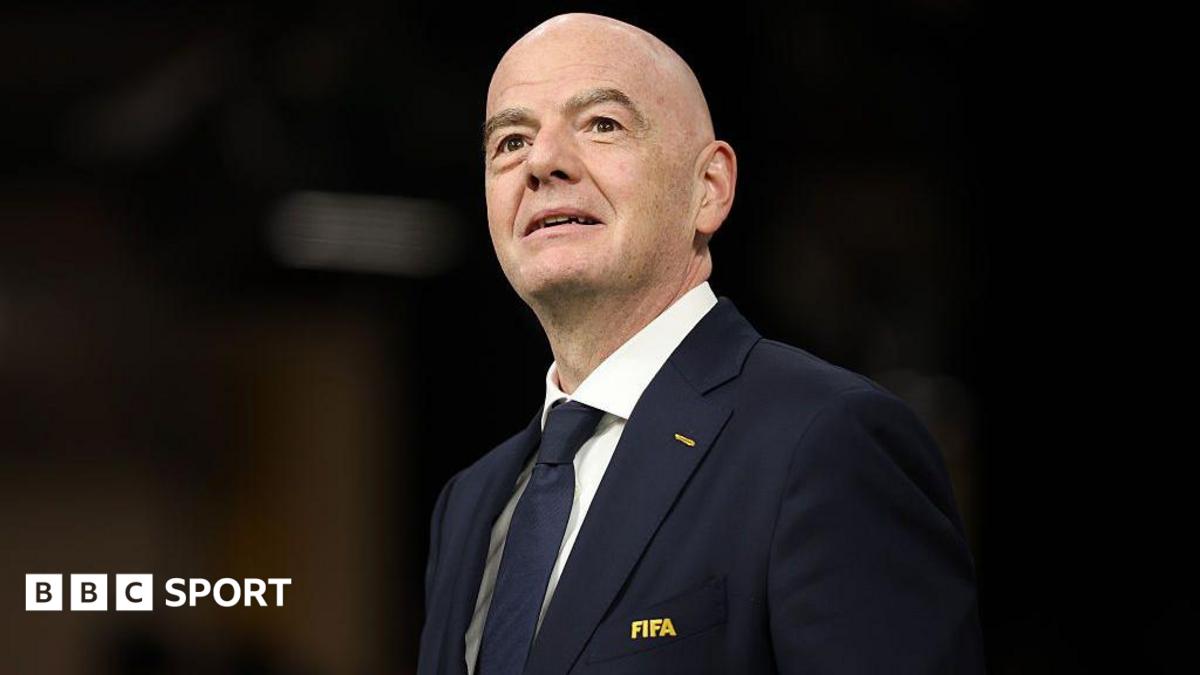
Gianni Infantino will remain the president of FIFA, the global soccer governing body, having apologized for missteps related to his private investment strategies, yet securing the continued support of the organization's senior leadership.
Gianni Infantino, the incumbent president of FIFA, the Fédération Internationale de Football Association, is set to continue his tenure following a public apology for what he termed "errors" in his personal investment plans. This announcement comes after a period of scrutiny regarding the transparency and ethical implications of these private financial dealings. Despite the controversy, Infantino received unanimous backing from FIFA's senior executives, affirming their confidence in his leadership to steer the immensely influential global sports organization.
FIFA stands as the paramount governing body for association football worldwide, responsible for regulating the game, organizing major international competitions including the quadrennial FIFA World Cup, and fostering football development across 211 national associations. The president's role is thus extraordinarily influential, encompassing strategic direction, financial oversight, and maintaining diplomatic relations with national governments and confederations. Given this global remit, any leadership issues or allegations of impropriety within FIFA invariably attract intense media attention and public debate, reflecting the sport's cultural and economic significance.
The nature of Infantino's "errors" in private investment plans, while not fully detailed in the immediate reports, suggests potential issues related to conflicts of interest, disclosure protocols, or the perceived appropriateness of such ventures for a figure holding such a prominent public-facing role. In organizations of FIFA's stature, maintaining impeccable standards of governance and financial transparency is critical for upholding public trust and the sport's integrity. Past administrations within FIFA have faced severe reputational damage due to corruption scandals, underscoring the sensitivity around any financial controversies.
The decision by FIFA's executive board to endorse Infantino's continued presidency signals a strategic choice to prioritize stability and continuity. This could be interpreted in several ways: some might view it as a pragmatic move to avoid further upheaval, especially with major tournaments and ongoing development initiatives. Others might suggest it indicates a belief that the errors were not egregious enough to warrant a change in leadership, or that Infantino's overall contributions to FIFA outweigh these specific concerns. Conversely, critics might argue that such an outcome could be perceived as a missed opportunity to reinforce stringent ethical standards and accountability at the highest echelons of global sport, potentially eroding public confidence.
This episode highlights the enduring challenges faced by international sports federations in balancing commercial imperatives, political complexities, and the imperative for robust ethical governance. The long-term implications of this decision will likely be measured by FIFA's ability to maintain its financial health, uphold its sporting mandates, and, crucially, retain the trust of its global stakeholders and fan base under Infantino's continued leadership.
Source: BBC Sport · view original
📚 Create a free account to track your child's reading.