
🔬 ScienceGrades 9 – 12 8 min read
Facts last verified Oct 12, 2026· re-verification due — Checked 43 days ago — due for re-verification.
Exploring Vanillin's Multifaceted Therapeutic Role in Modern Medicine
Scientists have uncovered that vanillin, the principal flavoring agent derived from vanilla, exhibits powerful antimicrobial, anti-inflammatory, and regenerative properties, positioning it as a potentially transformative component in advanced wound care and broader medical applications.
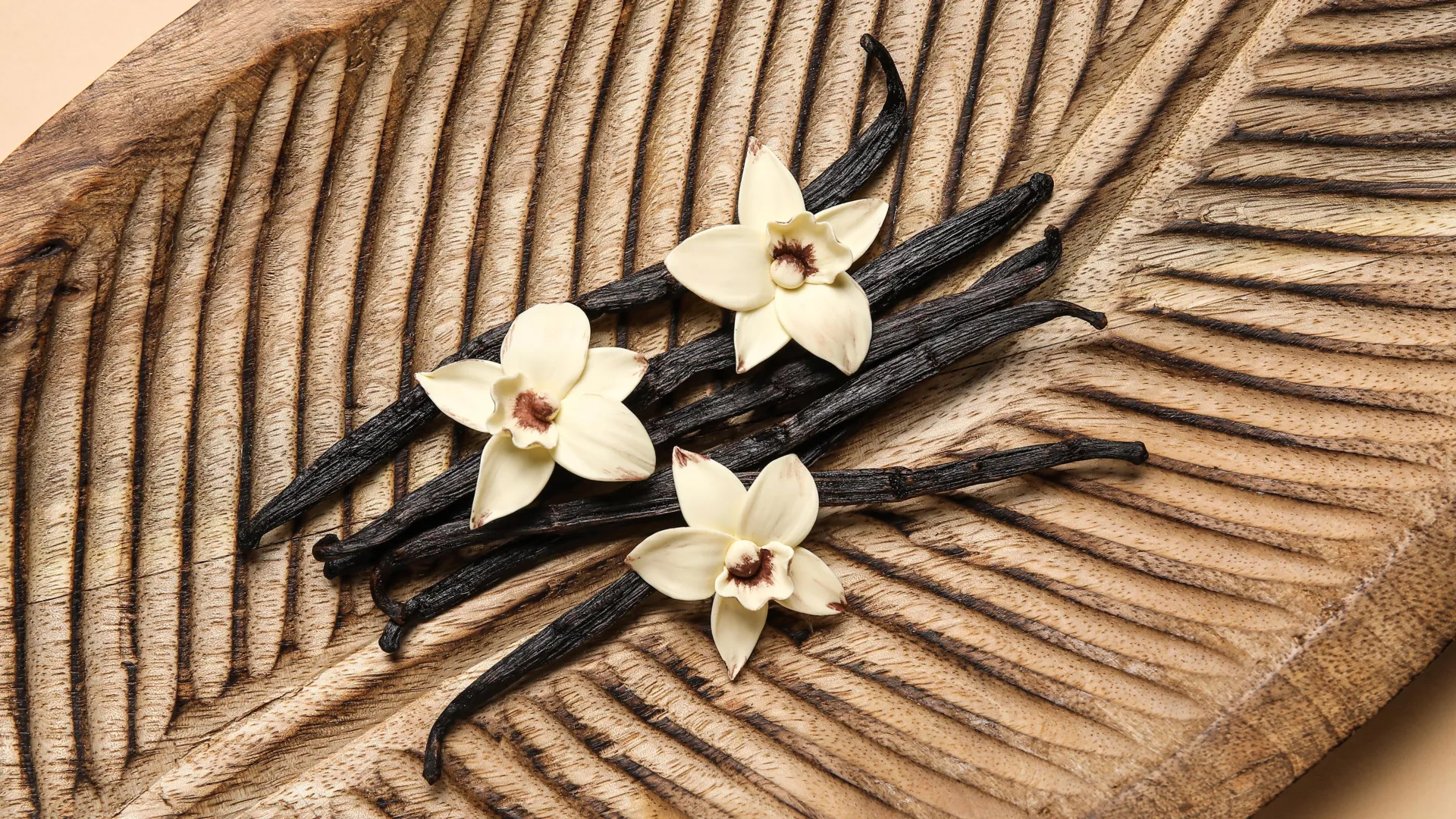
Vanilla, a spice revered globally for its complex flavor profile and aromatic qualities, is now being recognized for a much deeper, therapeutic potential. Recent scientific investigations have pinpointed vanillin, the key phenolic aldehyde responsible for vanilla’s distinctive essence, as a compound with profound medicinal properties. This groundbreaking research signals a significant shift in how we might view and utilize natural ingredients in sophisticated healthcare solutions.
At the core of these discoveries are vanillin’s impressive biological activities. Studies have shown its potent antimicrobial capabilities, effectively inhibiting the growth of various pathogenic microorganisms, which is critical in preventing and treating infections. Beyond its germ-fighting prowess, vanillin also exhibits strong anti-inflammatory effects. Chronic inflammation is a hallmark of numerous diseases and can impede healing; vanillin's ability to modulate inflammatory pathways presents a promising avenue for intervention. This dual action makes it particularly valuable in managing complex physiological responses.
Perhaps the most compelling finding is vanillin's role in promoting accelerated and more robust wound healing. Its regenerative properties facilitate cellular proliferation and tissue remodeling, crucial steps in closing wounds, minimizing scar formation, and restoring tissue integrity. This makes it an ideal candidate for integration into advanced wound dressings, topical formulations, and even systemic therapies designed to enhance recovery from injuries or surgical procedures. The global health context often grapples with accessible and affordable treatments; vanillin's widespread availability and relatively low cost offer a compelling advantage.
The implications of this research extend beyond simple wound care. The understanding of vanillin’s molecular mechanisms could inform the development of novel treatments for conditions where infection and inflammation are central, potentially even impacting regenerative medicine. As research progresses, it will be crucial to conduct comprehensive clinical trials to fully validate these properties in human subjects and determine optimal dosages and delivery methods.
This scientific breakthrough underscores the ongoing value of exploring natural compounds for medical innovation. By meticulously analyzing components of everyday substances, researchers are continuously unveiling new tools to combat disease and improve human health. Vanillin, once primarily a culinary delight, is poised to become an important contributor to the future of medicine, offering a natural, effective, and accessible therapeutic option.
Source: Science Daily · view original
📚 Create a free account to track your child's reading.