
🌍 WorldGrades 9 – 12 8 min read
Facts last verified Aug 4, 2026· re-verification due — Checked 112 days ago — due for re-verification.
Europe's Major Rivers Hit Record Lows Amidst Intensifying Drought Conditions
Key European waterways like the Rhine, Danube, and Po are experiencing unprecedented low water levels due to prolonged drought, causing significant disruption to commercial navigation and critical electricity generation, with implications for economic stability and environmental health.
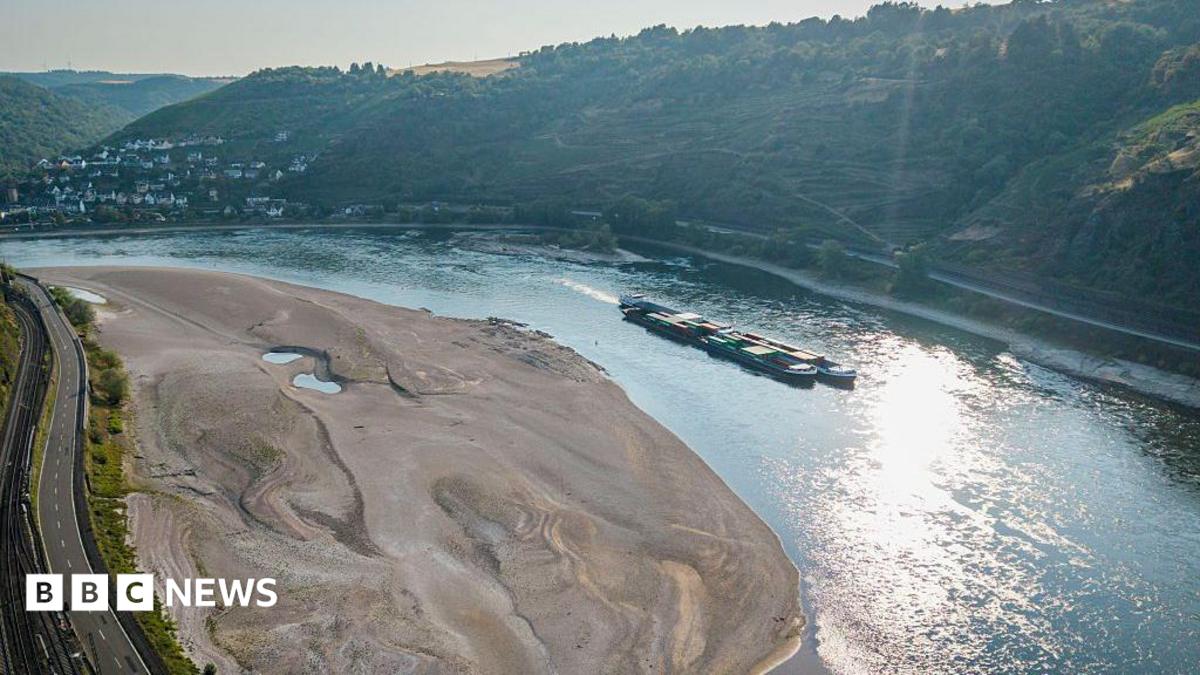
Europe's vital inland waterways are currently confronting an extraordinary challenge: record low water levels. The Rhine, a foundational river for Western European commerce, the Danube, traversing multiple Central and Eastern European nations, and Italy's Po River are all reporting critical shallow depths. This phenomenon is largely attributed to a sustained period of severe drought, characterized by deficient rainfall and elevated temperatures, exacerbating the normal seasonal fluctuations.
These diminished water levels carry profound economic and logistical repercussions. River transport is a cornerstone of European supply chains, offering an economical and carbon-efficient method for moving vast quantities of commodities, including industrial raw materials, agricultural products, and fossil fuels. The reduced depth of the rivers means that barges, the primary vessels for this trade, can no longer operate at full capacity. This often necessitates reducing cargo loads by 30-50% in critical sections, leading to increased shipping costs, longer transit times, and heightened reliance on alternative, often less efficient, modes of transportation like road and rail.
Moreover, the energy sector is significantly impacted. Numerous power plants, including nuclear, thermal, and hydroelectric facilities, depend on river water for cooling, generation, or both. Lower water levels and warmer water temperatures impair the efficiency of cooling systems and can force plants to reduce output or even temporarily shut down to prevent environmental damage or equipment failure. This reduction in electricity generation places added stress on national grids, potentially leading to increased energy prices and supply instability across the continent.
From an environmental perspective, sustained low water levels threaten aquatic ecosystems, concentrating pollutants, altering habitats, and endangering various species. The interplay between human activities and environmental changes is evident, as disruptions to river flow also affect water quality for communities reliant on these sources for drinking water and irrigation.
While droughts are a recurrent natural phenomenon, scientific consensus suggests that climate change is amplifying their frequency, intensity, and duration. This situation underscores the urgency of developing robust climate adaptation strategies, improving water resource management, and investing in resilient infrastructure to mitigate the long-term impacts on Europe's economy, environment, and social well-being. Policymakers are challenged to balance immediate economic demands with sustainable long-term solutions.
Source: BBC Europe · view original
📚 Create a free account to track your child's reading.