
🎉 FunGrades 9 – 12 8 min read
Facts last verified Jul 7, 2026· re-verification due — Checked 140 days ago — due for re-verification.
A Cosmic View of Global Football: World Cup Host Cities from the ISS
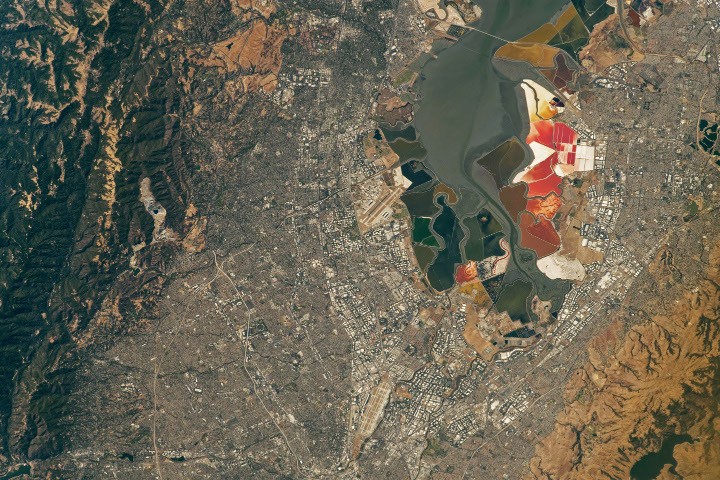
Astronauts living and working on the International Space Station (ISS) have captured a compelling photographic record of several cities earmarked to host the 2026 FIFA World Cup, offering a unique extraterrestrial perspective on these future global sports hubs.
As the world anticipates the 2026 FIFA World Cup, set to be co-hosted by Canada, Mexico, and the United States, a unique vantage point has already documented many of its future venues: the International Space Station (ISS). Orbiting Earth approximately 250 miles overhead, astronauts aboard the ISS regularly capture stunning photographs of our planet, and among their extensive catalog are striking images of cities designated to host the prestigious football tournament.
The ISS serves as a remarkable platform for Earth observation, providing a continually shifting perspective of continents, oceans, and human-made structures. Astronauts utilize professional-grade cameras to document a wide array of terrestrial features, from geological formations and weather patterns to urban development. These images are invaluable not only for scientific research, particularly in fields like urban planning and environmental monitoring, but also for offering a profound aesthetic appreciation of Earth's complexity.
Cities, especially captured during orbital night passes, present a particularly captivating spectacle. The intricate networks of streetlights, illuminated infrastructure, and distinct urban grids create glowing patterns and shapes visible from hundreds of miles away. Major landmarks, including the large-scale stadiums that will host World Cup matches, often stand out as prominent, brightly lit features within the nocturnal urban landscape. The ability to identify these specific locations from space underscores the global reach and human impact on Earth's surface.
This collection of photographs from space provides more than just pretty pictures; it offers a macro-level understanding of the geographical and infrastructural context within which a major global event like the World Cup unfolds. It visualizes the vastness of the host regions and the significant urban centers involved. Furthermore, it subtly connects the marvel of human exploration and technological achievement in space with the collective human passion for global sports. It’s a compelling reminder that while millions will engage in the drama and excitement on the ground in these cities, a silent, orbiting observer has already witnessed the stage from a truly cosmic perspective, blending science, sport, and global connectivity.
Source: NASA · view original
📚 Create a free account to track your child's reading.