
🌍 WorldGrades 7 – 8 6 min read
Facts last verified Nov 16, 2026 — Next re-verification in 22 days.
Cape Town Baboon Relocation Sparks Community Protests
A plan to transfer baboons from suburban Cape Town to a sanctuary has raised difficult questions about urban wildlife management.
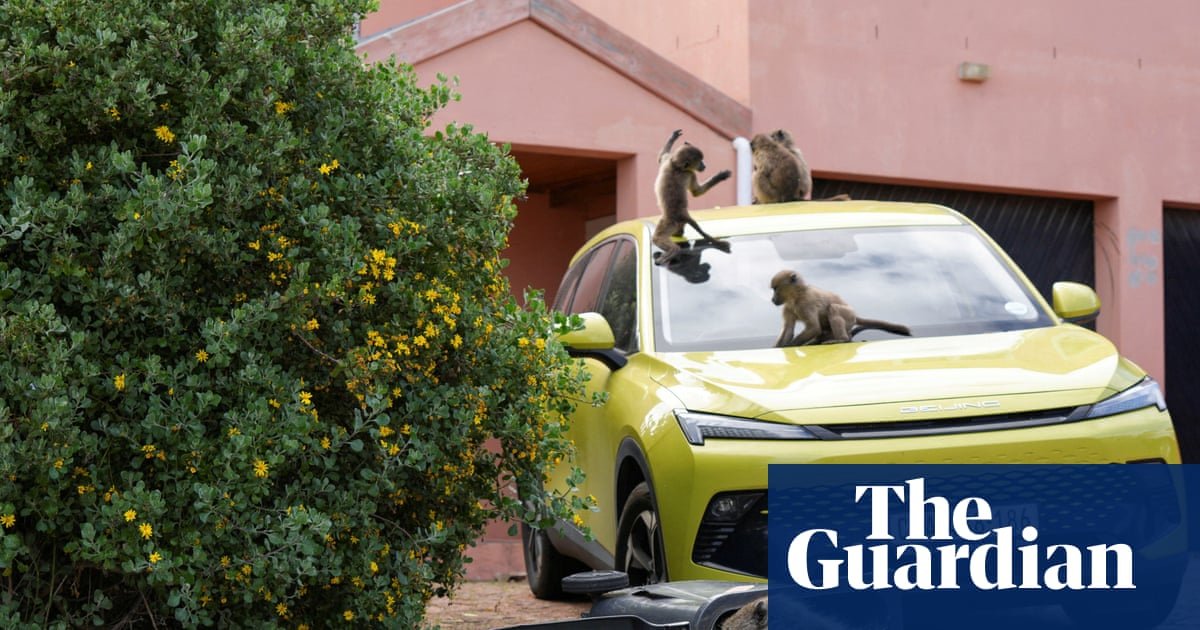
In Simon's Town, a coastal suburb of Cape Town, South Africa, wild baboons are a familiar sight. For decades, these primates have roamed the coastal hills and rocky slopes. However, wildlife authorities recently captured the forty-four members of the local Waterfall troop. They plan to relocate the animals to an inland wildlife sanctuary. Another group, known as the Seaforth troop, is scheduled for transfer as well.
City authorities argue that relocation is the best way to resolve ongoing human-wildlife conflict. As neighborhoods have expanded, baboons have adapted by searching for food in human areas. The animals frequently raid kitchens, tip over garbage bins, and cross busy roads. Officials point out that feeding on human scraps harms primate nutrition and increases the danger of road accidents. Moving the troop to a dedicated sanctuary, officials say, provides a secure environment where the animals can live naturally without risking injury.
Despite these assurances, the capture operation triggered immediate resistance from local residents. Demonstrators gathered on the streets and attempted to block transport vehicles carrying the primates. Many protesters argue that the baboons are an essential part of the local ecosystem and cultural identity of the Cape Peninsula. They contend that the city should invest in better baboon-proofing measures, such as secure garbage containers and specialized rangers, instead of banishing the animals from their ancestral habitat.
Wildlife experts acknowledge that managing urban primates involves difficult tradeoffs. Some conservationists favor relocation because it immediately reduces negative interactions between humans and animals. Other specialists worry that moving wild troops can disrupt complex social structures and create territorial stress. They also note that when one troop is removed, another wild group often moves in to take over the empty territory.
This debate highlights a global conservation challenge. As human infrastructure continues to spread into natural habitats, communities around the world must determine whether wild animals should be relocated or if urban populations must adapt to living peacefully beside their wild neighbors.
Source: The Guardian · view original
📚 Create a free account to track your child's reading.