
🌍 WorldGrades 9 – 12 8 min read
Facts last verified Jul 28, 2026· re-verification due — Checked 120 days ago — due for re-verification.
China's Struggle with AI-Generated Misinformation Amidst Natural Disasters
China is grappling with a new challenge as sophisticated AI-generated fake videos inundate social media platforms following recent natural disasters, complicating efforts to disseminate accurate information.
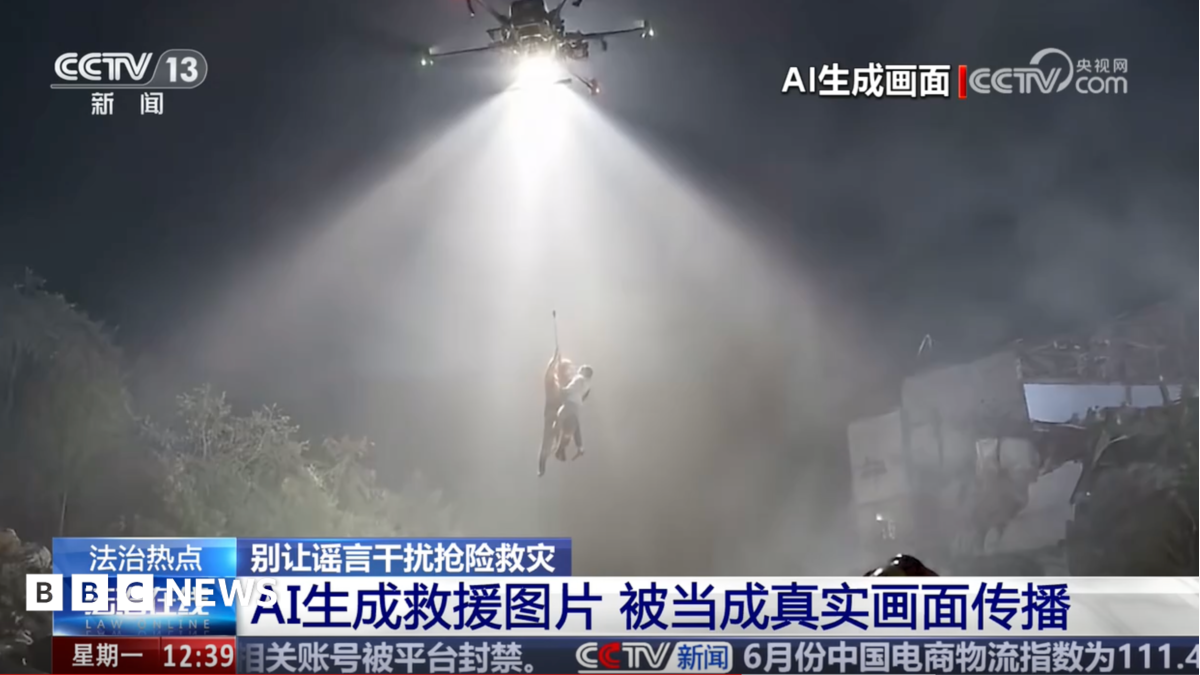
Over the past few months, China has experienced a series of severe natural disasters, including powerful storms and extensive flooding. In the age of digital information, social media naturally becomes a primary conduit for citizens to share firsthand accounts, images, and videos of these unfolding events. However, a significant and alarming issue has emerged: the widespread circulation of highly convincing, yet entirely artificial, videos created by advanced Artificial Intelligence (AI).
These AI-generated videos represent a new frontier in misinformation. Unlike older forms of digital manipulation, current AI technology can produce visuals that are virtually indistinguishable from genuine footage. This means that videos depicting exaggerated damage, non-existent rescue operations, or even entirely fabricated disaster scenarios can quickly go viral. The seamless realism achieved by AI makes it profoundly difficult for the average viewer to differentiate between authentic news and digitally manufactured content.
The implications of such pervasive misinformation are far-reaching, particularly during times of crisis. Fake videos can sow confusion and distrust, making it harder for official agencies to communicate accurate information and coordinate effective emergency responses. They can also instigate unnecessary panic, divert resources to non-existent problems, or, conversely, desensitize the public to genuine hazards by creating a 'cry wolf' effect. Furthermore, the rapid global spread of such content via social media platforms exacerbates the problem, challenging traditional gatekeepers of information.
This phenomenon highlights pressing questions about digital literacy, content moderation, and the ethical use of AI. For individuals, developing critical thinking skills to evaluate online content, verifying sources, and being wary of sensational or uncorroborated visuals are more crucial than ever. For platforms, the monumental task involves implementing robust detection mechanisms for AI-generated content and establishing clear policies for its removal or labeling. Governments and international bodies are also beginning to explore regulatory frameworks to address this evolving threat. Ultimately, China's experience with AI-driven fake videos during natural disasters serves as a stark reminder of the complex challenges that advanced technology poses to factual reporting and public understanding in our interconnected world.
Source: BBC News · view original
📚 Create a free account to track your child's reading.