
🔬 ScienceGrades 9 – 12 8 min read
Facts last verified Sep 4, 2026· re-verification due — Checked 82 days ago — due for re-verification.
NASA to Broadcast Roscosmos Progress 96 Resupply Mission to ISS
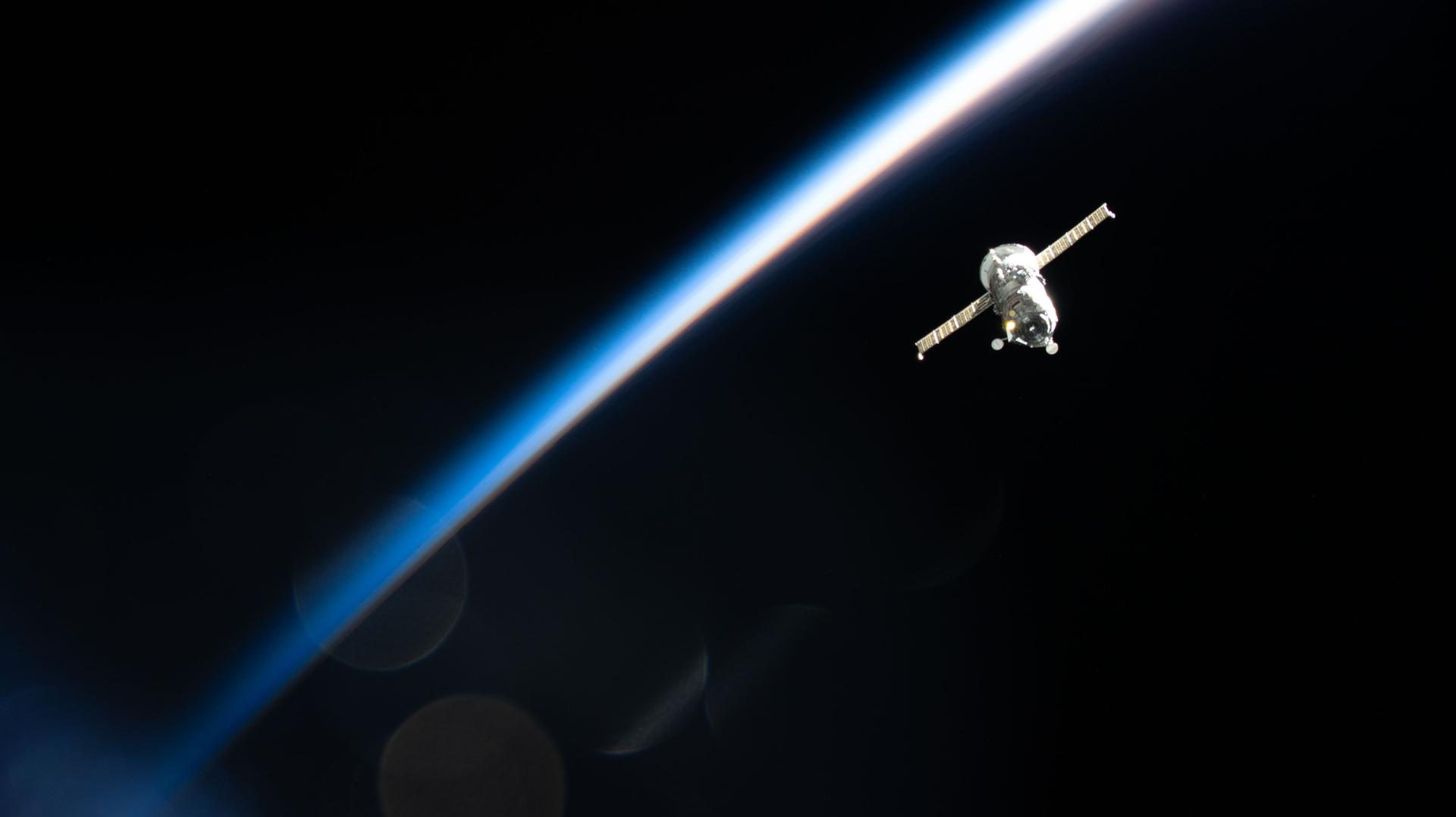
NASA is scheduled to provide live coverage for the launch and docking of the Roscosmos Progress 96 unpiloted cargo spacecraft, which will transport a critical payload of approximately three tons of food, fuel, and supplies to the International Space Station crew.
On Wednesday, September 9, space agencies and enthusiasts worldwide will closely monitor a routine yet critical operation in orbital logistics: the launch of the Roscosmos Progress 96 resupply spacecraft. NASA has confirmed its intention to offer comprehensive live coverage of both the launch and subsequent docking maneuvers, underscoring the enduring international cooperation essential for the sustained operation of the International Space Station (ISS).
The Progress 96, an unpiloted cargo vessel, is slated for liftoff at 12:15 p.m. EDT (9:15 p.m. Baikonur time) from the historic Baikonur Cosmodrome in Kazakhstan. This launch facility, leased by Russia, has been central to numerous pivotal space missions throughout history. The spacecraft's primary objective is to deliver approximately three tons of vital cargo, encompassing consumables such as food for the astronaut crew, propellant for the station's reboost and maneuvering thrusters, and miscellaneous equipment and scientific instruments necessary for their extended stay in low Earth orbit.
The logistical precision required for such missions is immense. The Progress spacecraft must execute a fully automated rendezvous and docking sequence with the ISS, which orbits Earth at an altitude of roughly 400 kilometers (250 miles) and travels at speeds exceeding 27,000 kilometers per hour (17,000 mph). Successful docking ensures the continuous flow of resources that are indispensable for the multinational crew to conduct their demanding scientific research and maintain the station's intricate systems.
These resupply efforts are the bedrock of the ISS program, a global collaboration involving space agencies from the United States, Russia, Canada, Japan, and the European Union. The station serves as a unique microgravity laboratory where astronauts conduct experiments in fields ranging from biology and physics to Earth observation and materials science, often yielding discoveries with direct benefits for life on Earth, including advancements in medicine, agriculture, and environmental monitoring.
While the geopolitical landscape often presents complexities, the operational realities of space exploration, particularly human spaceflight, frequently necessitate a level of pragmatic international partnership. The Progress missions exemplify this collaboration, providing a reliable lifeline to the ISS crew regardless of broader political dynamics. NASA's commitment to broadcasting these events not only highlights technological achievement but also reinforces the global human endeavor to explore and understand the cosmos.
Source: NASA · view original
📚 Create a free account to track your child's reading.