
🔬 ScienceGrades 9 – 12 8 min read
Facts last verified Jul 19, 2026· re-verification due — Checked 128 days ago — due for re-verification.
Agentic AI Transforms Smartphones into Proactive Personal Assistants at China's WAIC
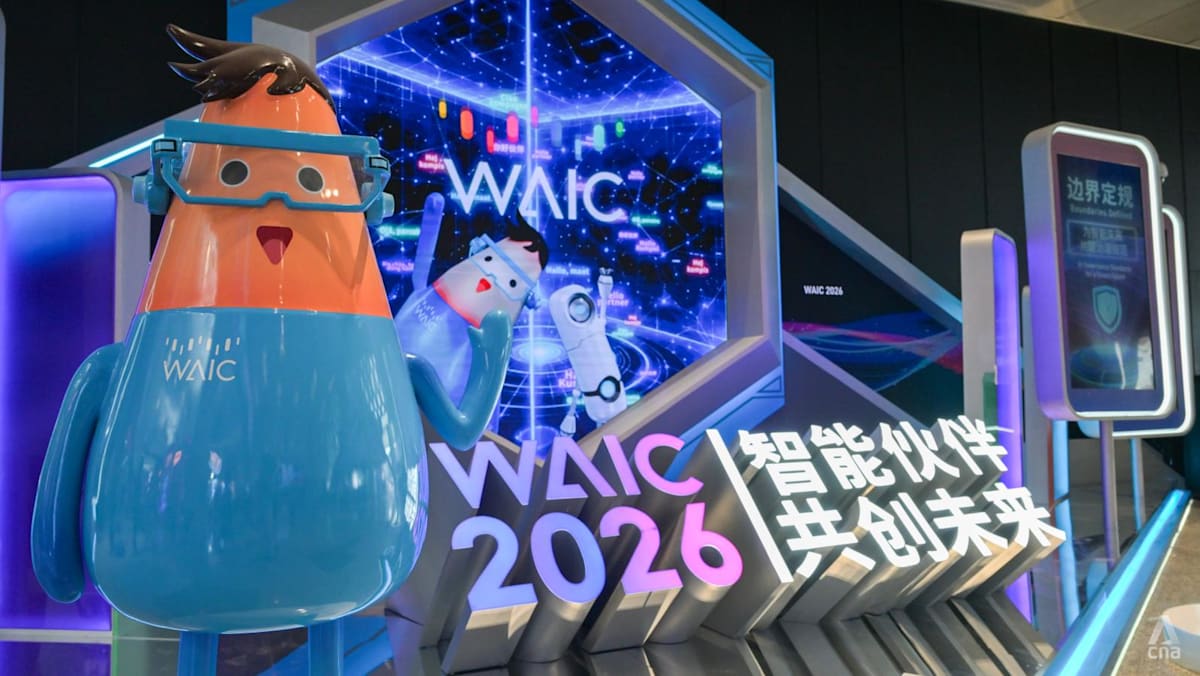
During the 2026 World Artificial Intelligence Conference in Shanghai, Chinese technology companies showcased advanced 'agentic smartphones' equipped with AI capable of understanding complex user intentions and autonomously executing multi-step tasks, indicating a significant evolution in mobile computing towards more proactive and personalized digital assistance.
The 2026 World Artificial Intelligence Conference (WAIC) in Shanghai recently provided a glimpse into the next generation of mobile technology, with Chinese tech firms unveiling sophisticated 'agentic smartphones.' These devices represent a significant leap beyond current smartphone capabilities, leveraging powerful artificial intelligence to offer a new level of autonomy and personalized assistance.
At its core, 'agentic AI' describes artificial intelligence systems designed to act as intelligent agents. Unlike conventional AI features that respond to direct commands (e.g., Siri setting an alarm), agentic AI is capable of understanding broader user intentions, setting its own sub-goals, and executing a sequence of actions or tasks to achieve a more complex objective without step-by-step human instruction. For smartphones, this means a shift from being a reactive tool to becoming a proactive personal assistant.
Consider a user wanting to organize a birthday party. A traditional smartphone requires the user to manually open calendar apps, messaging apps, browser for venues, and budgeting tools. An agentic smartphone, given the general prompt, could potentially orchestrate much of this process autonomously: drafting invitations based on existing contacts and preferred venues, researching catering options, comparing prices, and even flagging potential scheduling conflicts, all while learning and adapting to the user's specific preferences over time. This capability stems from advanced AI models that can reason, plan, and sometimes even 'self-correct' based on environmental feedback or new information.
The implications of agentic smartphones are vast, particularly for productivity and daily task management. They promise to streamline complex operations that currently require significant user input across multiple applications. However, the introduction of such powerful, proactive AI also raises important considerations regarding privacy, data security, and user control. As these devices become more integrated into personal and professional workflows, the balance between convenience and autonomy, and the ethical frameworks governing their operation, will become paramount.
The showcases at WAIC highlight China's accelerating advancements in AI and its application to consumer electronics. While these agentic smartphones are still emerging, their debut signals a clear direction for the mobile industry: a future where our devices are not just smart, but truly intelligent agents capable of anticipating and fulfilling our needs with unprecedented levels of independence and personalization. This technological evolution stands to redefine the user experience, making our 'pocket computers' far more intuitive and integrated into the fabric of our lives.
Source: Channel News Asia · view original
📚 Create a free account to track your child's reading.