
🌍 WorldGrades 9 – 12 8 min read
Facts last verified Jun 10, 2026· re-verification due — Checked 167 days ago — due for re-verification.
UNICEF Report: Child Poverty in Argentina Declined in 2025, But Future Trends Monitored
UNICEF announced that child poverty in Argentina dropped to 42.3% in 2025, marking the lowest level since 2018, though subsequent increases in 2026 are a concern.
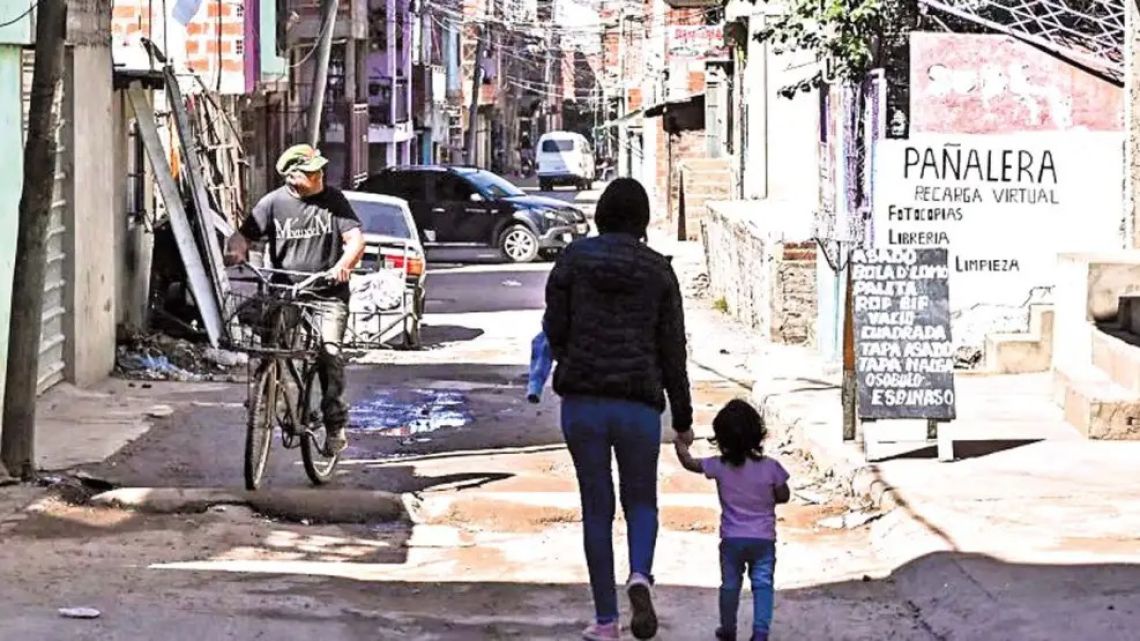
Buenos Aires, Argentina – The United Nations Children's Fund (UNICEF) has released new data indicating a significant, albeit potentially temporary, improvement in child poverty rates in Argentina. According to the organization, child poverty fell to 42.3% in 2025, representing the lowest level recorded since 2018.
Child poverty is a complex socioeconomic issue where children are deprived of access to basic necessities required for their healthy growth and development. These necessities typically include adequate nutrition, safe housing, quality healthcare, education, clean water, and sanitation. The absence of these fundamental provisions can have profound and lasting impacts on a child's physical health, cognitive development, educational attainment, and future economic prospects. UNICEF's monitoring of these rates is crucial for understanding the welfare of children globally and informing policy decisions.
The reported decline to 42.3% in 2025 suggests that specific economic conditions or social programs implemented during that period may have contributed to alleviating some of the financial pressures on Argentine families. This reduction is a notable achievement, considering the broader economic fluctuations often experienced in the region. It highlights that targeted interventions or general economic improvements can yield positive outcomes rapidly.
However, the report also carries a cautious note. An accompanying warning from an unnamed non-governmental organization (NGO) indicates that while 2025 showed progress, child poverty levels may have subsequently risen in the first half of 2026. This caveat underscores the volatility of economic conditions and the sensitivity of poverty rates to ongoing national and international factors. It suggests that while progress in 2025 is a positive data point, sustained efforts are required to ensure long-term stability and continued reduction in child poverty in Argentina. The 2025 data provides a critical baseline for assessing the effectiveness of future policies and interventions aimed at child welfare.
Source: Buenos Aires Times · view original
📚 Create a free account to track your child's reading.