
🔬 ScienceGrades 4 – 6 4 min read
Facts last verified Aug 1, 2026· re-verification due — Checked 116 days ago — due for re-verification.
August's Cosmic Calendar: A Skywatcher's Guide
NASA highlights August 2026 as a fantastic month for skygazing, featuring the brilliant planet Venus, the dazzling Perseids meteor shower, and a deep partial lunar eclipse.
Get ready to turn your eyes to the heavens this August, as NASA predicts a spectacular month for skywatching! From planets to meteors to lunar events, there's something for every aspiring astronomer.
One of the most noticeable events will be the planet Venus. Throughout August, Venus will be shining at its brightest in the evening sky, shortly after sunset. This 'evening star' is actually a planet, and its intense brightness makes it easy to spot, even from light-polluted areas. Keep an eye out for it low in the western sky; it will look like a very strong, steady light.
Another highlight is the Perseids meteor shower. This annual event is one of the best meteor showers of the year. It occurs when Earth passes through a trail of dusty debris left by a comet named Swift-Tuttle. As these small dust particles hit Earth's atmosphere, they burn up, creating bright streaks of light we call 'shooting stars.' The best time to watch will be in the dark hours before dawn, away from city lights.
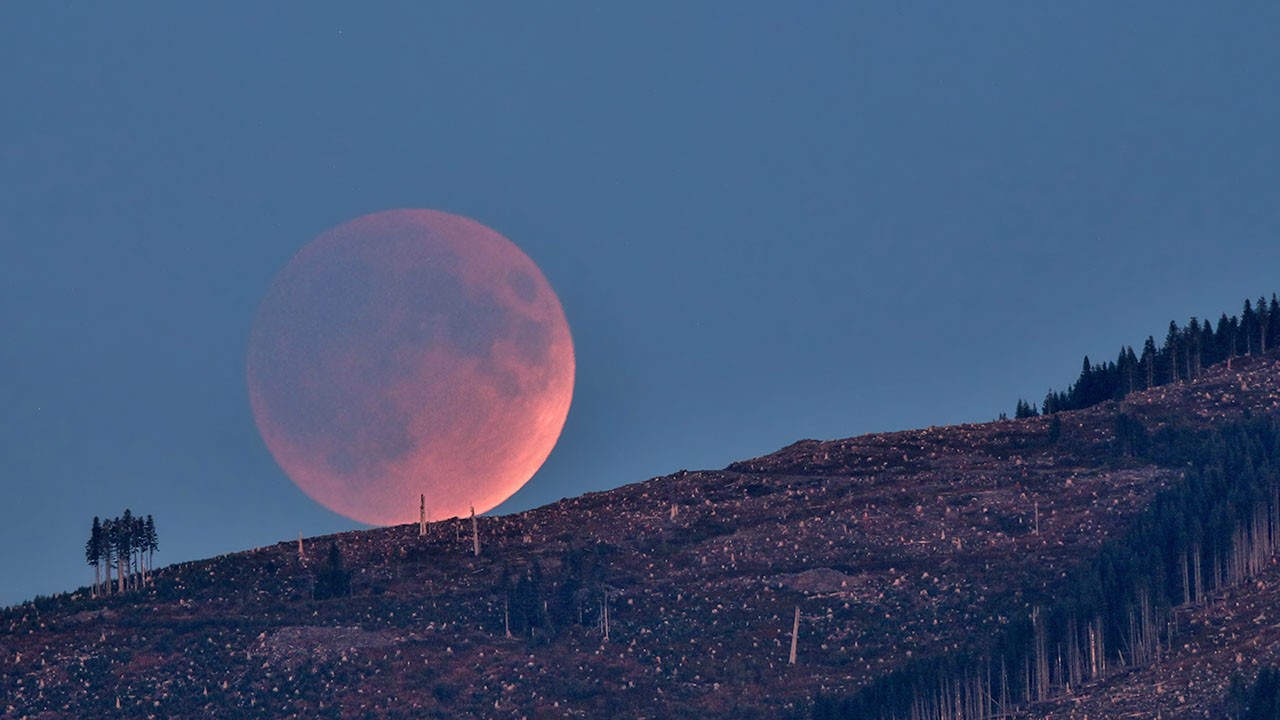
Finally, August will conclude with a deep partial lunar eclipse. During a lunar eclipse, the Earth passes directly between the Sun and the Moon, casting a shadow on the Moon. In a partial eclipse, only part of the Moon enters Earth's darkest shadow, called the umbra. This will make a section of the Moon appear dim or reddish. It's a wonderful chance to see our lunar neighbor in a different light. So, mark your calendars and prepare for some amazing celestial sights!
Source: NASA · view original
📚 Create a free account to track your child's reading.