
🔬 ScienceGrades 4 – 6 4 min read
Facts last verified Nov 16, 2026 — Next re-verification in 22 days.
Vanishing Glaciers on Indonesia's Highest Peak
Satellite images show that the ancient tropical ice on Puncak Jaya has broken into motionless fragments.
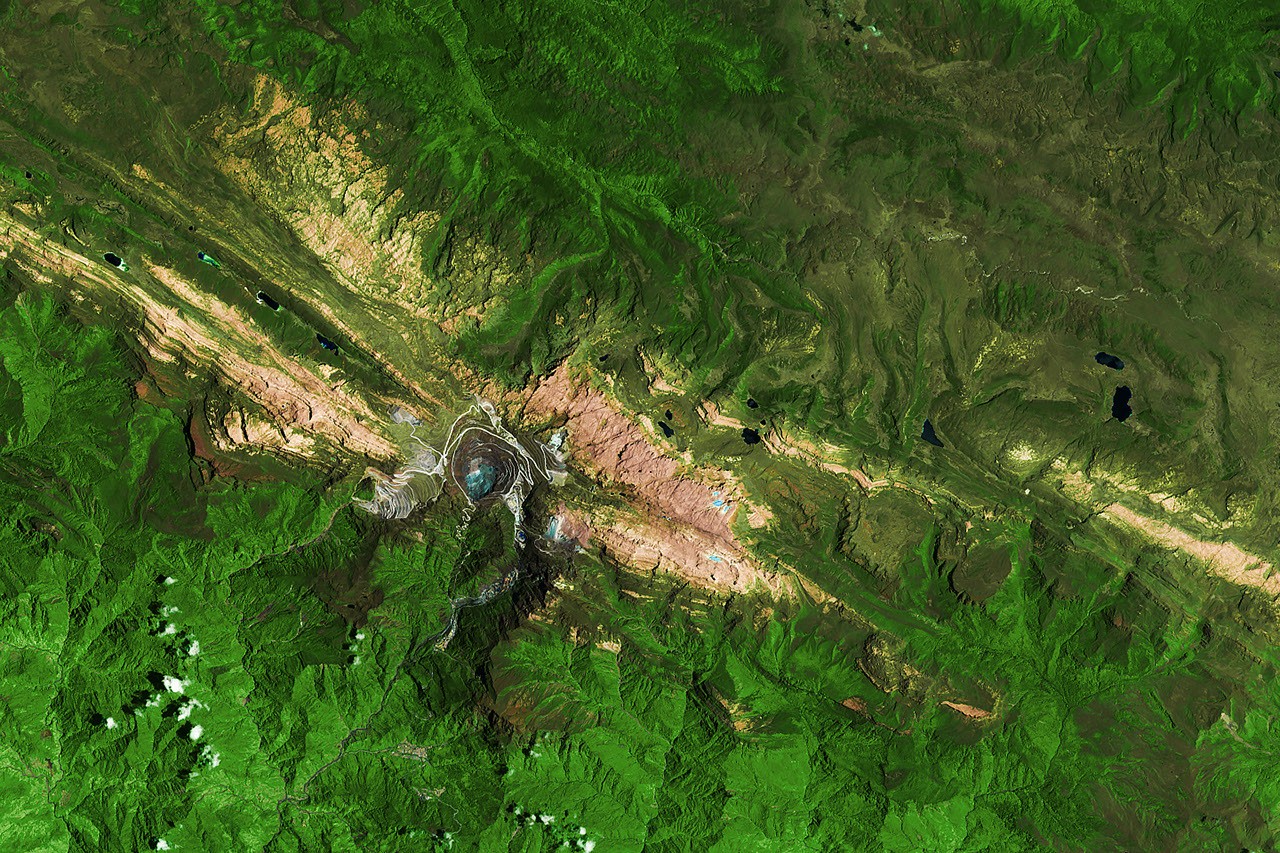
High above the tropical rainforests of Indonesia, a mountain peak called Puncak Jaya once held a frozen wonderland. For centuries, thick sheets of ice called glaciers flowed slowly down its rocky slopes. Tropical glaciers are rare because they exist near the equator, where warm sunlight usually prevents ice from forming. However, the mountain stands over 16,000 feet tall, where the air was once cold enough to preserve ice year-round.
Recently, scientists at NASA examined satellite images of the mountain taken over several decades. The pictures revealed a dramatic transformation. Rising air temperatures have caused the ice to melt much faster than new snow can replace it. Over the past few decades, the frozen area shrank rapidly until the main ice body broke apart into tiny, scattered patches.
Glaciologists, who are scientists that study ice formations, noticed that these remaining patches are no longer true glaciers. A glacier must be thick and heavy enough to flow under its own weight. Because these leftover spots are so small and thin, they have stopped moving entirely. They are now just stagnant mounds of ice resting on bare rock.
This matters because tropical glaciers serve as sensitive natural thermometers for our planet. When high-altitude ice disappears, it gives scientists clear evidence of how global climate patterns are shifting over time. Researchers will continue monitoring Puncak Jaya from orbit to understand what happens to high mountain environments when their ice is completely gone.
Source: NASA · view original
📚 Create a free account to track your child's reading.