
🔬 ScienceGrades 9 – 12 8 min read
Facts last verified Sep 1, 2026· re-verification due — Checked 85 days ago — due for re-verification.
Glacial Lake Outburst Floods: Unpacking the Triggers in Nepal and Tibet and Future Implications
Natural hazards researchers are intensively studying the recent severe floods in Nepal and Tibet, with current evidence pointing to a glacier-related landslide as the primary trigger, and are critically assessing how anthropogenic climate change may escalate the frequency and intensity of similar future events.
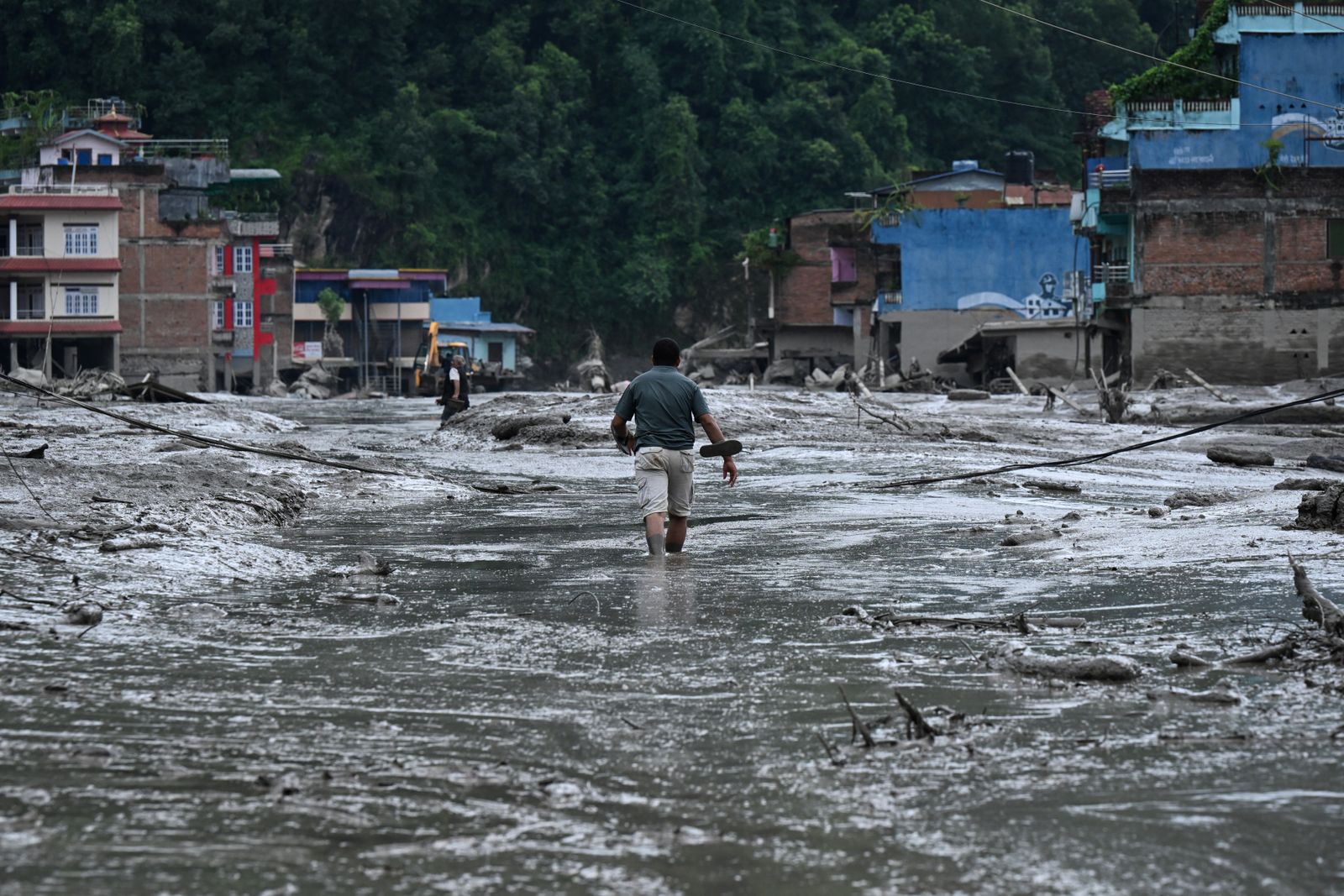
The formidable Himalayan landscapes of Nepal and Tibet have recently experienced significant and destructive floods, prompting rigorous investigation by natural hazards researchers. These scientists are working to deconstruct the complex geomorphological and glaciological processes that culminated in these events. Preliminary findings indicate that a substantial landslide, involving not merely rock and debris but also considerable volumes of glacial ice, served as the principal trigger. Such interactions can rapidly displace large bodies of water or trigger the sudden drainage of glacial lakes, leading to what are known as Glacial Lake Outburst Floods (GLOFs).
GLOFs are characterized by their extreme destructive potential, as massive volumes of water are released suddenly from a glacial lake, often with little warning. The current research focuses on understanding the specific conditions that led to this particular event, including the stability of glacial ice masses, the geological structure of the surrounding slopes, and meteorological factors. This micro-level analysis is critical for developing more precise early warning systems and mitigation strategies for vulnerable communities situated downstream.
Beyond the immediate causes, a crucial question under examination is the potential for increased frequency of such phenomena in the future. There is a strong scientific consensus that human-caused climate change is driving a rapid retreat and thinning of glaciers globally, including in the Himalayas. This accelerated glacial melt contributes to the formation and enlargement of proglacial lakes, which are inherently unstable due to their moraine dams often composed of loose rock and sediment. The combination of larger, more numerous glacial lakes, coupled with increased seismic activity or extreme weather events, heightens the risk of GLOFs.
Researchers are employing satellite imagery, hydrological modeling, and field observations to map these changing glacial landscapes and assess their vulnerabilities. The implications extend beyond immediate hazard mitigation to broader climate adaptation strategies for the region. Understanding the dynamic interplay between climate warming, glacial recession, and geological instability is paramount. This knowledge informs not only local risk reduction efforts but also contributes to global climate change discourse, underscoring the interconnectedness of environmental systems and the urgent need for comprehensive climate action to safeguard ecosystems and human populations in these high-altitude environments.
Source: Smithsonian · view original
📚 Create a free account to track your child's reading.