
🔬 ScienceGrades 9 – 12 8 min read
Facts last verified Sep 25, 2026· re-verification due — Checked 61 days ago — due for re-verification.
NASA Finalizes Crew Assignments for SpaceX Crew-14 ISS Expedition
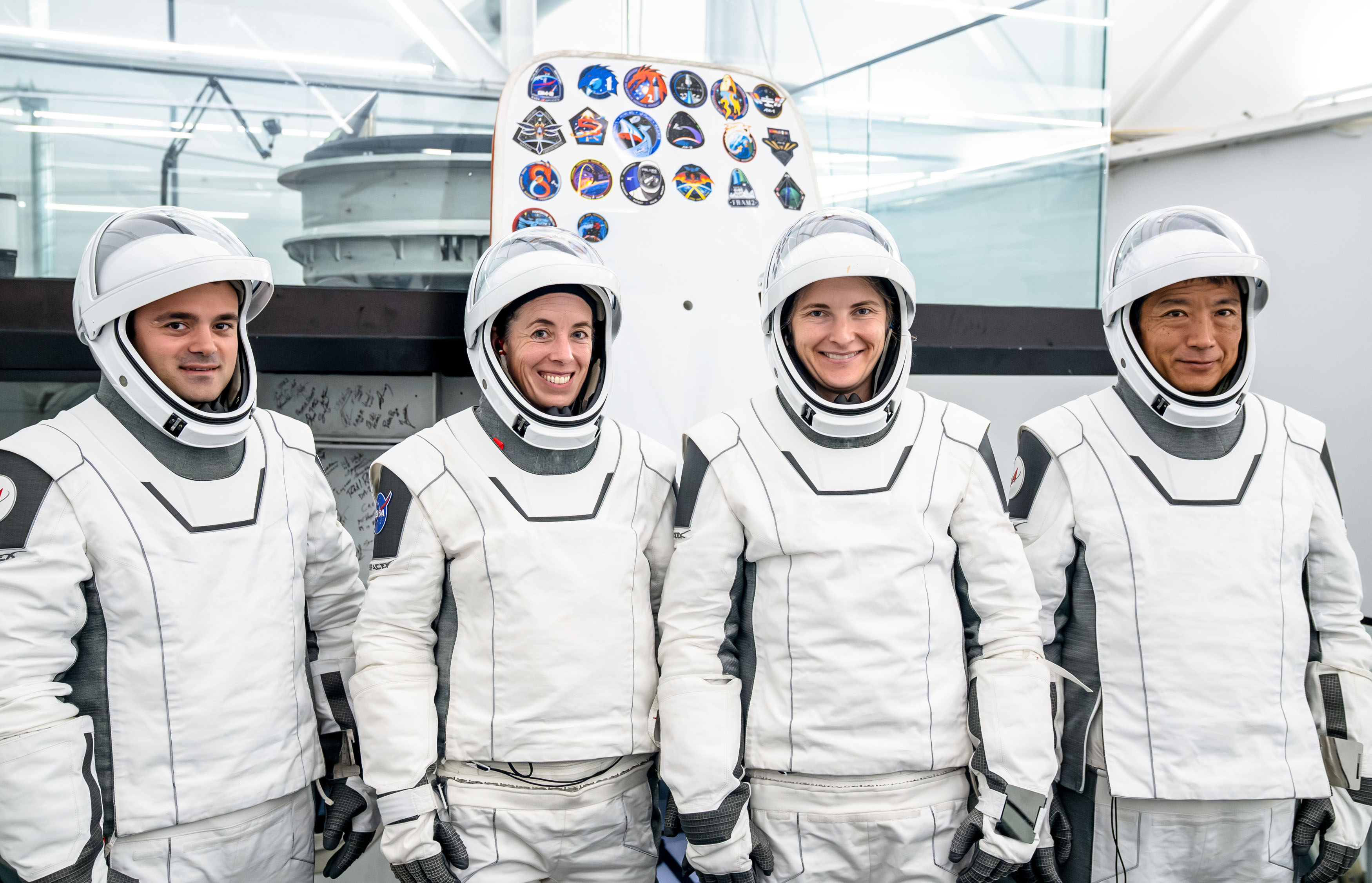
NASA has designated the lead crew members for the SpaceX Crew-14 mission, an international endeavor sending four astronauts to the International Space Station for a long-duration science expedition slated for spring 2027.
NASA has officially announced the primary crew assignments for the upcoming SpaceX Crew-14 mission, slated to launch to the International Space Station (ISS) no earlier than spring 2027. This expedition will feature an international quartet of astronauts, continuing the multilateral scientific research and operational collaboration aboard the orbiting laboratory.
The designated crew members highlight the global nature of contemporary space exploration. U.S. Navy Commander and NASA astronaut Kayla Barron has been assigned as the spacecraft commander for Crew-14. Barron, an experienced spacefarer who previously flew on SpaceX Crew-3, brings valuable expertise to this leadership role. Joining her from NASA is astronaut Chris Birch, who will serve as the mission's pilot. Their responsibilities will encompass commanding the SpaceX Dragon capsule and managing complex operations during transit and their extended stay on the ISS.
Rounding out the multinational crew is Makoto Suwa from the Japan Aerospace Exploration Agency (JAXA). Suwa’s inclusion underscores the strong partnership between NASA and JAXA in advancing human spaceflight and scientific inquiry. The fourth crew member, typically a cosmonaut from Roscosmos, Russia’s state space corporation, will complete the roster. This arrangement exemplifies the continued operational necessity and diplomatic significance of international cooperation on the ISS, even amidst complex geopolitical landscapes.
During their long-duration science expedition, the Crew-14 astronauts will conduct a diverse portfolio of research across various scientific disciplines. Experiments will range from human physiology studies to investigate the long-term effects of microgravity, to advancements in materials science, and the development of new technologies critical for future deep-space missions. The ISS serves as an unparalleled microgravity research platform, generating data that informs scientific breakthroughs and practical applications on Earth, including innovations in medicine, agriculture, and manufacturing.
The reliance on commercial partners like SpaceX for crew transportation has become a cornerstone of NASA's strategy for maintaining continuous human presence in low-Earth orbit. This commercial crew program allows NASA to reallocate resources towards more ambitious exploration objectives, such as the Artemis program, which aims to return humans to the lunar surface and eventually prepare for missions to Mars. The Crew-14 mission, therefore, is not merely a routine resupply of personnel but a vital component in a broader strategy to expand humanity's reach and understanding of the cosmos, while simultaneously fostering global scientific collaboration.
Source: NASA · view original
📚 Create a free account to track your child's reading.