
🔬 ScienceGrades 9 – 12 8 min read
Facts last verified Sep 22, 2026· re-verification due — Checked 63 days ago — due for re-verification.
Stem Cell Transplants Show Remarkable Efficacy in Reversing Stroke Damage in Mice
Groundbreaking research demonstrates that stem cell transplantation can effectively regenerate neural tissue, improve vascular health, and restore motor function in mice post-stroke, opening promising avenues for human therapeutic development.
Cerebrovascular accidents, commonly known as strokes, remain a leading cause of long-term disability worldwide. They occur when blood flow to a portion of the brain is obstructed (ischemic stroke) or when a blood vessel ruptures (hemorrhagic stroke), leading to rapid brain cell death due to oxygen and nutrient deprivation. Current treatments primarily focus on minimizing immediate damage and rehabilitation, but fully repairing the complex neural circuitry after significant injury has proven challenging.
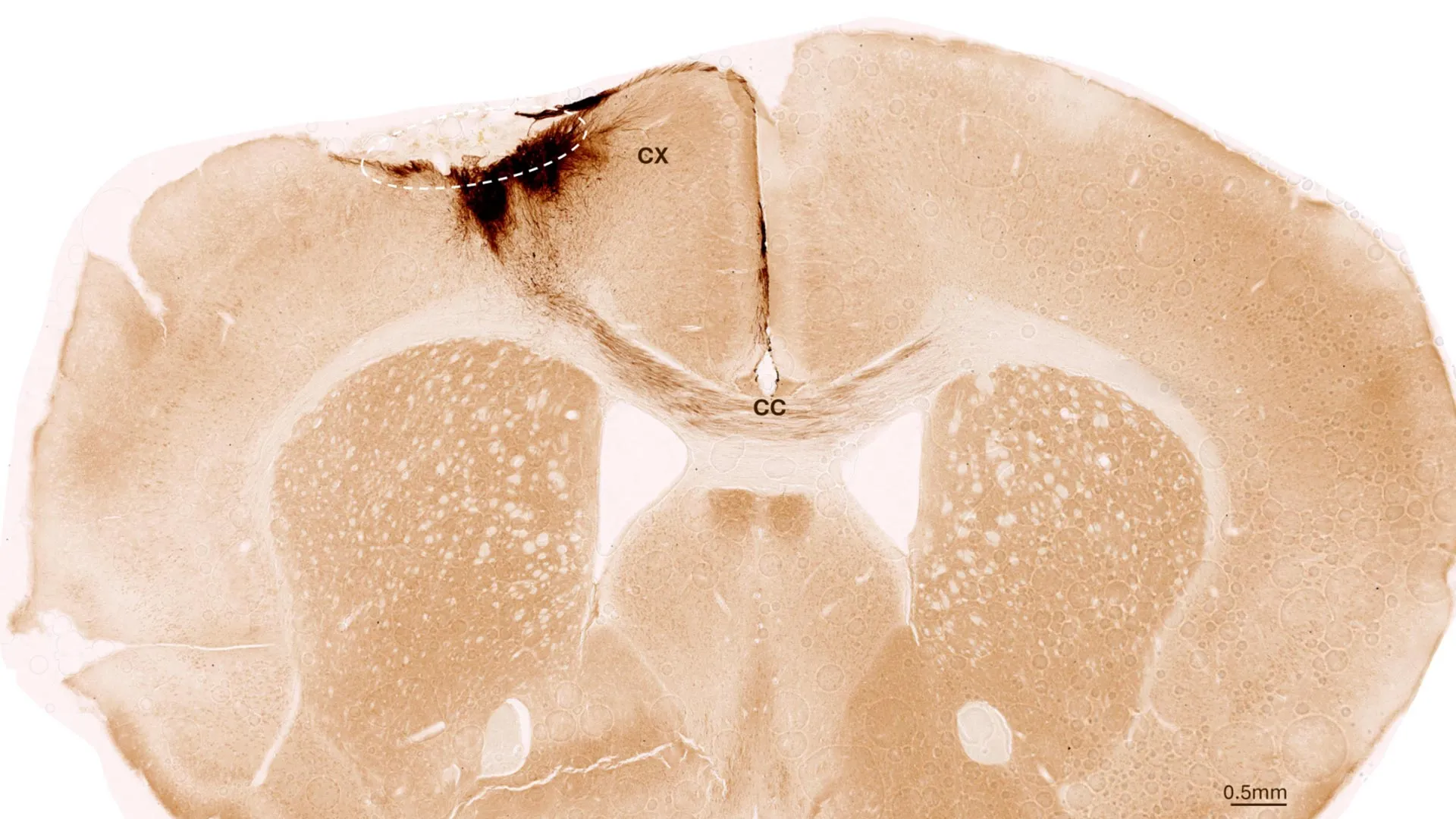
A recent study published in Science Daily offers a compelling glimpse into a potential future for stroke treatment: stem cell therapy. Researchers conducted experiments on mice, which had induced stroke-like brain damage, to assess the regenerative capabilities of transplanted stem cells. Stem cells are undifferentiated cells that have the extraordinary capacity to self-renew and to differentiate into various specialized cell types, making them ideal candidates for tissue repair.
Upon transplantation into the damaged brain regions of the mice, these stem cells initiated a multi-faceted recovery process. The research found that the stem cells not only promoted the generation of new neurons, crucial for restoring cognitive and motor functions, but also significantly improved the overall microenvironment of the brain. This included enhanced angiogenesis, the formation of new blood vessels, which is vital for re-establishing proper blood flow to the affected areas. Additionally, the therapy was shown to mitigate inflammatory responses, a common contributor to secondary brain damage after stroke, and to bolster the integrity of the blood-brain barrier, protecting the brain from further harm.
Perhaps the most impactful outcome was the functional recovery observed in the treated mice. They demonstrated a remarkable restoration of lost motor function, indicating that the cellular and vascular improvements translated into tangible neurological benefits. This suggests that stem cell transplants could potentially offer a comprehensive therapeutic approach, addressing not only cellular replacement but also the critical supportive infrastructure of the brain.
While these findings are exceptionally encouraging, it is imperative to acknowledge that this research was conducted in animal models. Translating these successes from mice to humans involves rigorous preclinical testing, extensive clinical trials, and careful consideration of safety, efficacy, and ethical implications. However, the study provides a robust scientific foundation, significantly advancing the understanding of how stem cells can repair and regenerate brain tissue after ischemic injury. This development fuels optimism that similar advanced cellular therapies could one day become a standard treatment for human stroke patients, dramatically improving long-term outcomes and quality of life for millions globally.
Source: Science Daily · view original
📚 Create a free account to track your child's reading.